Cotton growers are finding many benefits in installing fish screens on their river pumps.
Modern fish-protection screens keep fish and debris in the river and out of irrigation systems. Along with obvious benefits for wildlife, irrigators report cleaner water, reduced clogging of infrastructure, reduced maintenance of pumps and pipes, and significant savings on labour and electricity bills.
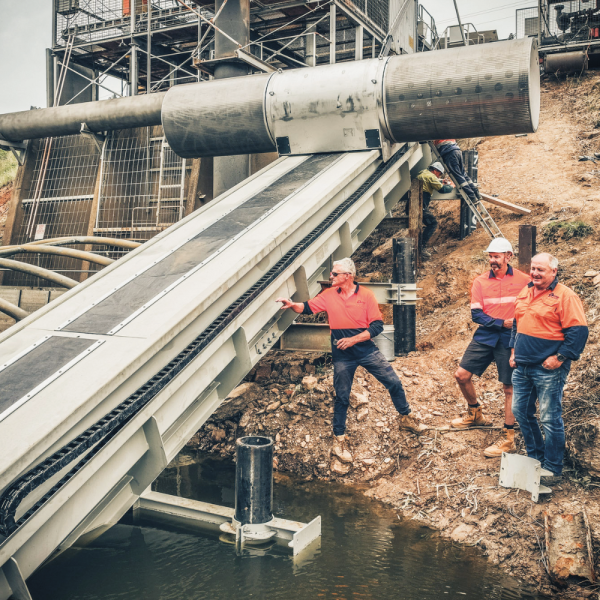
Cotton growers, including the member-owned Trangie-Nevertire Irrigation Scheme (TNIS), installed screens under the Macquarie River Screening Program. TNIS is now 100 per cent screened and their screening project is now Australia’s largest showcase of modern pump screening designed for fish protection, estimated to protect over 250,000 native fish a year.
TNIS Water Operations Manager Shane Smith says it provides flow-on benefits for native fish, fishing, farms and the community. He says that members have been delighted with the outcomes of the trials after using modern fish screens for two irrigation seasons.
“It’s a win-win. We’re saving fish and also doing our members a favour by reducing their operating costs. We’re keeping fish in the river, which benefits the environment, fishers, and the local community.
“Recreational fishing has a very high participation rate, and it can be a drawcard for the local area. The better the fishing, the more visitors, so it also helps cafes, shops, motels and caravan parks. Everybody gets a benefit from it, and that’s a great outcome.”
Data is being collected by fish ecologist Dr Craig Boys from NSW DPIRD as part of a research project supported by one of CRDC’s sister Research and Development Corporations (RDCs): the Fisheries Research and Development Corporation (FRDC). The project is refining fish-screening technology for pumps and gravity-fed irrigation channels.
Craig’s research is being undertaken concurrently with a CRDC-supported project led by Fiona Scott from NSW DPIRD to understand the on-farm economic value of modern screen installations.
These projects build on previous CRDC-supported research, led by Dr Michael Hutchinson from QLD DPI in the Fitzroy Basin. That research aimed to inform the prioritisation of screen installations in the Fitzroy and QLD portion of the northern Murray-Darling basins. The key recommendations from that project were to prioritise mitigation for gravity-fed systems with self-cleaning fish screens, integrate screening solutions during new irrigation developments to lower costs, and to consider retrofitting existing systems when pumps require replacement.
The QLD DPI research also identified a need for further studies on the benefits and cost effectiveness of screening gravity-fed diversions. As a result, Fiona Scott is working with a number of cotton growers in the Macquarie, Namoi and Barwon-Darling valleys to collect data on the economics of installing modern fishscreens.
“It’s fantastic to see cotton growers being involved in these initiatives,” said CRDC Innovation Broker and CottonInfo Technical Lead for Natural Resource Management Stacey Vogel.
“When our project is finished, we will be in a position to provide sound cost-benefit economics for other growers interested in installing screens.”